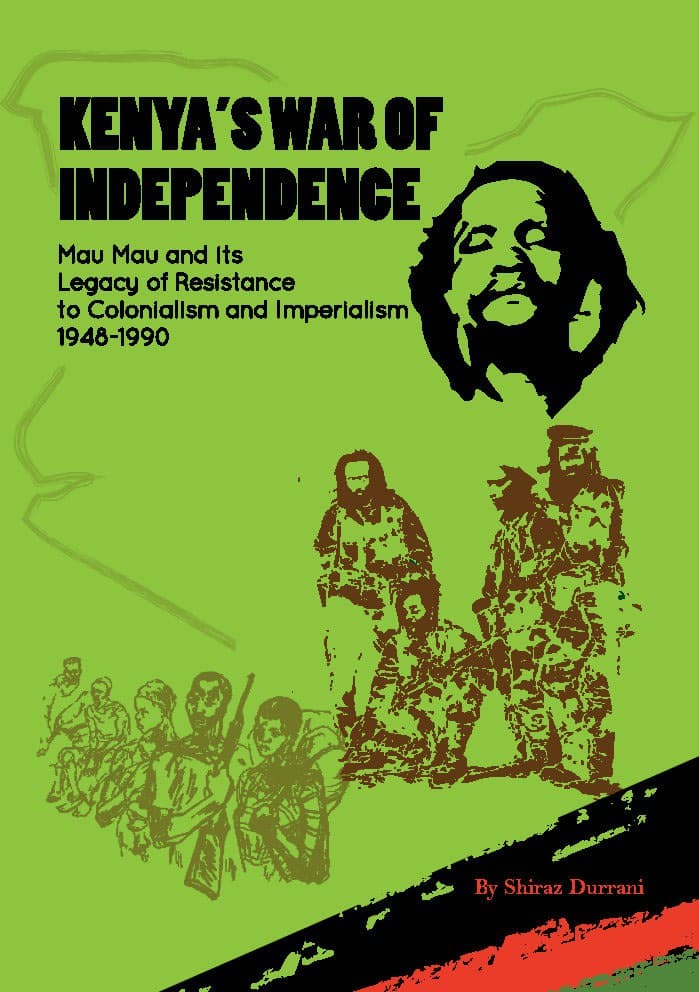
KENYA'S WAR OF INDEPENDENCE
Mau Mau and its Legacy of Resistance to Colonialism and Imperialism
by Shiraz Durrani
The flag changed in 1963. The struggle for freedom did not end.
- Published
- 2018
- Pages
- 449
- Language
- English
- Publisher
- VB
About the book
Kenya’s independence was not simply a peaceful transfer of power. It emerged from decades of resistance, political organising, labour struggles and armed confrontation against British colonial rule.
In this book, Shiraz Durrani examines Mau Mau within the wider history of Kenya’s liberation struggle. He explores the movement’s ideology, organisation and achievements, while highlighting the role of radical trade unions and working class resistance in connecting the demand for political freedom with the struggle for economic justice.
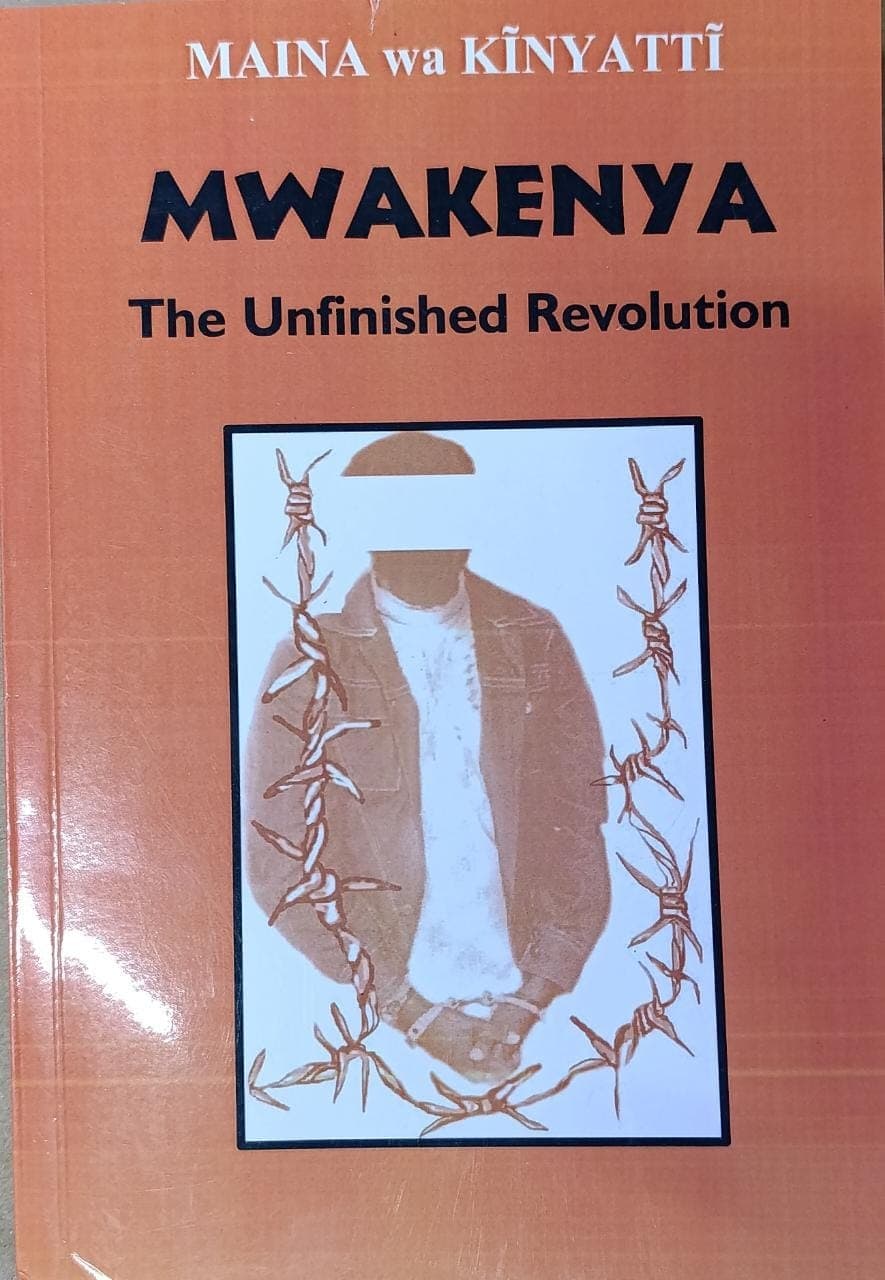
The book also investigates what happened after independence in 1963. Durrani examines the transition from colonialism to neocolonialism and documents underground resistance by the December Twelve Movement, associated with Mwakenya.
By extending its account to 1990, the book challenges readers to question whether political independence delivered the land, economic power and social transformation for which Kenyans had struggled.
This is a work for readers seeking to understand Kenya’s liberation history beyond official narratives, with particular attention to Mau Mau, workers, peasants and the unfinished struggle for economic independence.
African elites replaced White Settlers, neo-colonial government replaced colonial government
About the author
Shiraz Durrani is a British-Kenyan library science professional, writer and researcher known for his work on information, publishing, colonialism and liberation movements. His writing examines how information and historical narratives can influence political power and shape public understanding of the past.In Kenya’s War of Independence, he brings these themes together in an extended examination of Kenya’s liberation struggle and the resistance that continued after formal independence.
What it entails
Resistance before Mau Mau: The political and social struggles that laid the foundations for Kenya’s war of independence.
Mau Mau, 1948–1960: The movement’s origins, revolutionary ideology, organisation and armed resistance.
Mau Mau governance: The movement’s efforts to organise and sustain its struggle.
Workers and trade unions: How organised labour connected economic demands with the fight for political freedom.
Peasants and land: The role of land grievances and rural resistance in the liberation struggle.
The independence struggle: The relationship between Mau Mau, nationalist politics and other resistance movements.
Independence but “not yet Uhuru”: The limits and contradictions of political independence in 1963.
The transition to neocolonialism: How colonial structures and economic relationships persisted after British rule.
Underground resistance after independence: The December Twelve Movement and Mwakenya.
The struggle for economic independence: Why freedom from colonial administration did not necessarily mean control over economic resources and political power.
The record
- Title
- KENYA'S WAR OF INDEPENDENCE
- Subtitle
- Mau Mau and its Legacy of Resistance to Colonialism and Imperialism
- Author
- Shiraz Durrani
- Publisher
- VB
- Published
- 2018
- Pages
- 449
- Language
- English
- Format
- Paperback
Get this book
KES 3,300
In stock1. Add it to your basket
Pick this book, and any others you want delivered together.
2. Tell us where it goes
Choose your delivery area and say where to bring it.
3. Pay, then confirm on WhatsApp
Pay to the Paybill shown in your basket first. Then WhatsApp opens with your order written out, so Mugo can confirm when it ships.
Delivery, added once per order
- Nairobi motorbike
- No fee, rider agreed
- Nairobi and around, parcel
- KES 100 + KES 150 handling
- Outside Nairobi, parcel
- KES 200 + KES 150 handling
By motorbike there is no fee: the rider's fare depends on the distance and is agreed on WhatsApp, so send your own rider or ask Mugo to send one. For a parcel, the KES 150 handling fee pays the person who takes your books from the bookstore to the parcel stage and places them there to be delivered to your area.
More from the shelf
Starting with after the flag.