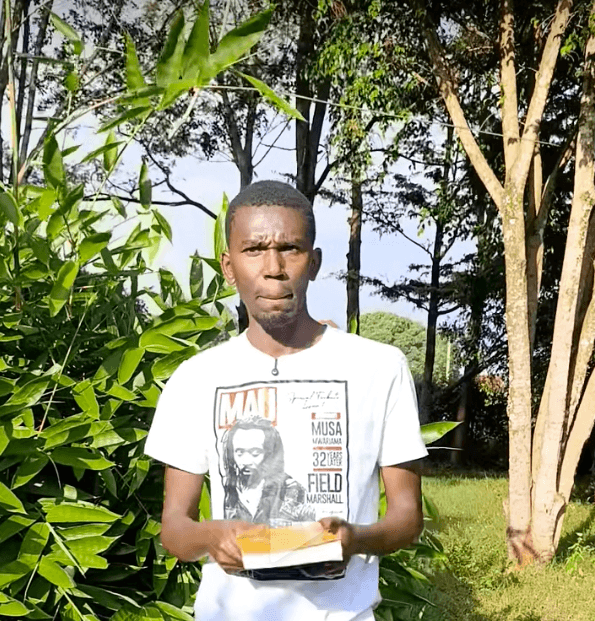
About Mugo wa Njoroge
History is a place you can still walk.
A method, not a mood.
Unlearn
School history, popular memory, and colonial paperwork often tell the same narrow story. The first job is to notice what was left out.
Relearn
Kikuyu, Kenyan, and wider African histories stood on their own systems of land, law, education, and belief long before the colony arrived.
Verify
A document, an elder's testimony, a site, and one person's reading of them are not the same thing. The platform keeps those layers apart.
Preserve
Caves, graves, courts, and place names disappear when nobody records them. Oral history disappears faster.
Teach
The point is not a private archive. It is public education: talks, schools, films, and walks that other people can use.
History is the operating record of the present.
When the history you were given is incomplete, land, power, and identity are incomplete with it. The work is to unlearn that version and relearn what the sites, the files, and the elders still hold.
Historical education
Films, essays, and document walkthroughs on land, Mau Mau, missionary history, place names, and the knowledge systems school often skipped.
Read the essaysTravelling through history
Research visits in Nyeri and the country around it. The findings come back as films and writing. Booked trips have their own page.
See the tripsDocuments and the shelf
Colonial laws, reports, and the books that explain them, held up so a reader can look at the source rather than a summary alone.
Open the shelfOral history
Family and community memory, kept as its own layer beside the file. A story can be offered from the contact desk.
Offer a storyMission
Keep searching, filming, and teaching so the next reader inherits fewer myths and more evidence they can check.
Vision
A public record of Kenyan and African history that lives on the site, in the language people already speak, and at the places themselves.
Central Kenya, walked and filmed.
These are not packaged tours. They are research trips, mostly in Nyeri County and the country around it, that become lessons. Mugo describes himself as a book reader who loves travelling. The trip is how the document meets the ground.
01
Mau Mau caves and forest sites
Hideouts and oath grounds in Central Kenya, filmed and explained on the spot rather than summarised from a textbook.
02
Mass graves, including Kiawara
Sites in Nyeri County that still lack a proper memorial. The visit is a record, and a demand that the place be named.
03
Colonial courts and stations
Buildings such as the Nyeri colonial court, where the legal order of the colony can still be walked through.
04
Place names and the White Highlands
How Nyeri and the settler farms around it were named, taken, and later explained. Land is the thread through all of it.
Oral history is a record, not a rumour.
Families, elders, and communities carry histories that never entered a colonial file. This platform treats that testimony as its own layer: named, dated, and kept beside the document rather than flattened into one claim. Heritage work means recording it before the person who remembers is gone.
History, in one letter. Not another feed.
New articles, site visits, and oral history, sent only when there is something worth reading. No spam, and one click to leave. We email a link to confirm first.